Splitting the Year Between Florida and the Mountains
Yes, you can keep Florida as your legal home and spend real time in the Asheville area, and many couples do. It works best when you know which choices signal "home" to each state: Florida's homestead rules, North Carolina's residency presumption, and the tax return NC expects if you rent the mountain house. The other half of the job is practical: a house that sits empty for months needs a winter plan and the right insurance.
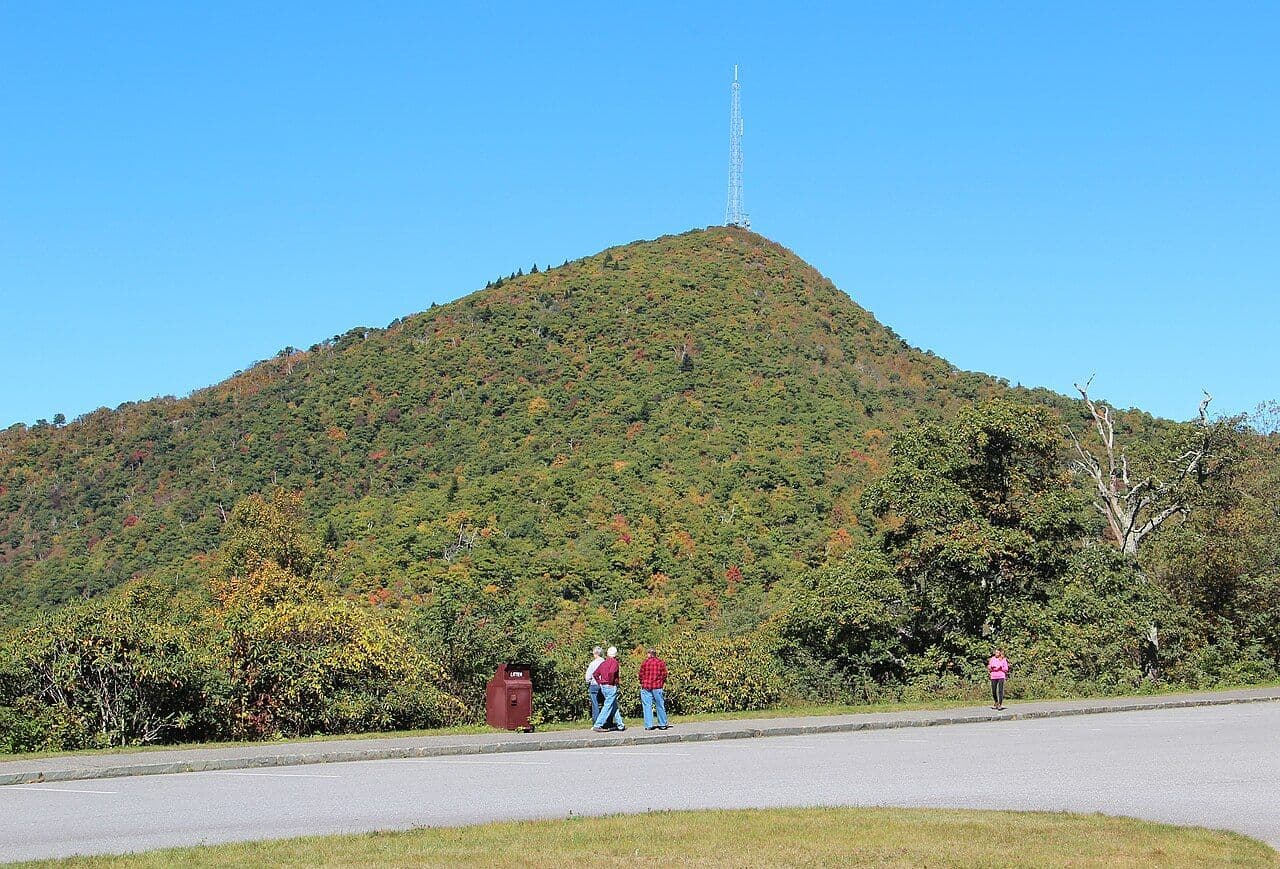
A retired couple in their mid-sixties from Michigan came to me with a clear plan: sell the Michigan house, live on their boat six months a year, and spend the rest in a condo in the Hendersonville or Asheville area. They were specific about the condo. They wanted it detached or an end unit with no one living above them, they didn't want new construction, and they were open to 55+ communities. They rented a place in Flat Rock for a week in late October to look, and they liked three listings on that one trip. A plan like theirs raises the question this page is about: who looks after the place for the six months you're gone?
This is general information, not legal, tax, or financial advice. Consult a North Carolina real estate attorney, a CPA familiar with both Florida and North Carolina, a licensed lender, and a licensed insurance agent about your situation.
Where is "home"? Domicile in plain words
You can have several residences but only one domicile: the place you consider your permanent home and intend to return to. States judge domicile on all the facts. Nobody hands out a certificate.
Florida's tools. Florida lets you file a sworn Declaration of Domicile with the clerk of the circuit court in your Florida county. It states that Florida is your permanent home, and the statute specifically covers people who also keep a residence in another state (F.S. 222.17).
Common indicators. Beyond the declaration, the things commonly cited as evidence of where you intend to live include your homestead, driver's license, voter registration, vehicle registration, the address on your tax returns, and where your doctors, bank and estate documents are. Courts treat these as evidence of intent. No single item, and no checklist, guarantees the result. Ask your CPA or a Florida attorney which ones matter most for your situation.
Florida homestead: three traps to know about
Your Florida homestead is probably worth a lot to you: an exemption on your Florida property tax, plus the Save Our Homes cap, which limits how fast a homestead's assessed value can rise each year (the lower of 3% or CPI; 2.7% for 2026, per Florida DOR, revised January 2026). These are the three ways people lose it.
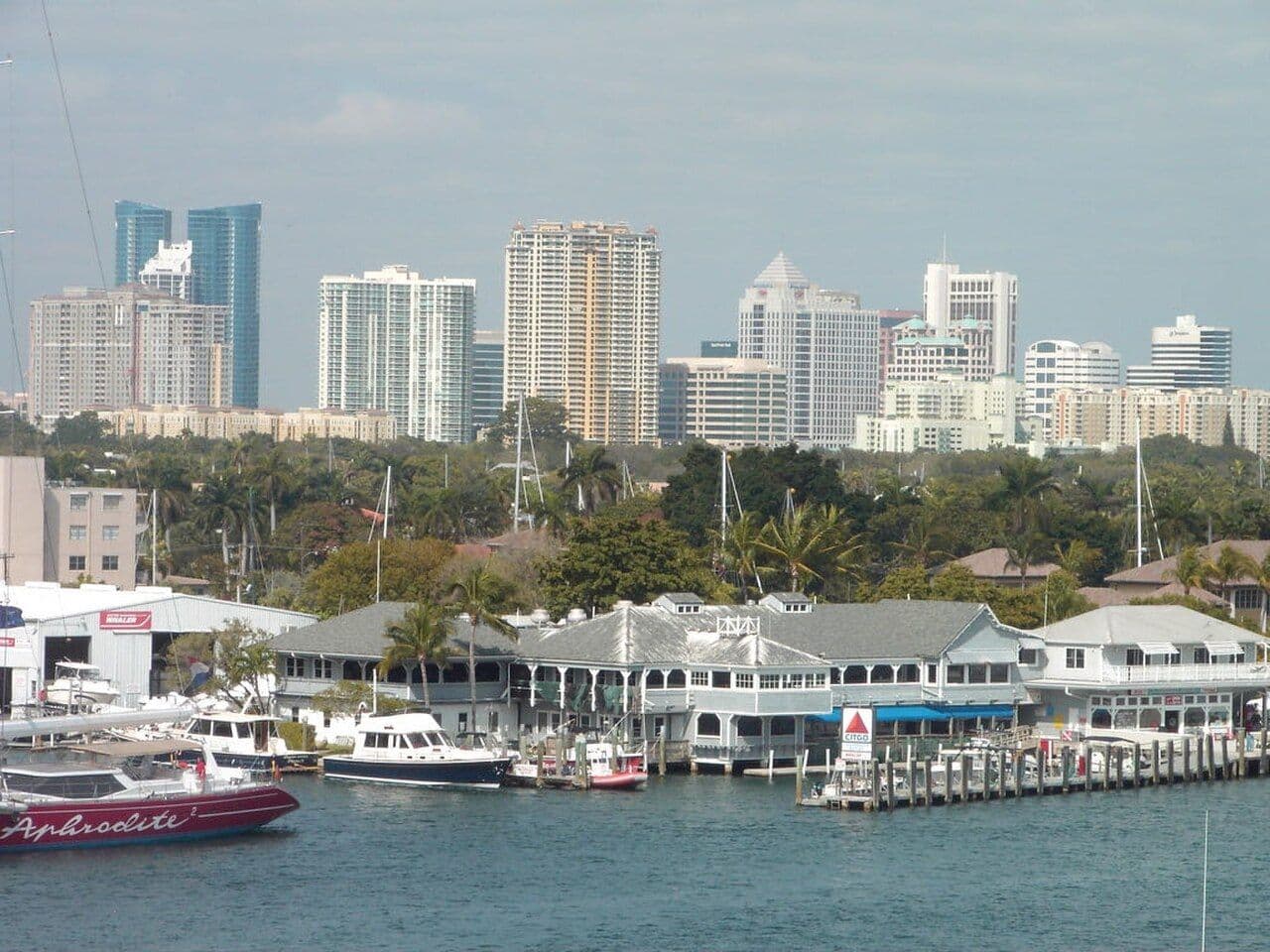
Trap 1: claiming a residency benefit in North Carolina. Florida law says anyone receiving or claiming a residency-based property tax exemption or credit in another state isn't entitled to Florida homestead (F.S. 196.031(6)). The statute's trigger is a claim: owning an NC house involves none, while claiming an NC benefit that requires NC residency does. North Carolina's property tax relief programs for homeowners (the elderly/disabled exclusion, the circuit breaker deferment and the disabled veteran exclusion) all require that the home be your NC permanent residence.
Trap 2: renting out the Florida house. Under F.S. 196.061, renting all or substantially all of your homestead counts as abandoning it. There's a limited allowance: renting after January 1 doesn't affect that year's exemption unless the property is rented more than 30 days a year for two consecutive years. Planning to rent the Florida place while you're up here? Bring that statute to your CPA.
Trap 3: two spouses, two homesteads. Florida generally allows one homestead per family unit. Married spouses keeping separate homesteads in two states face strict conditions, and improper dual claims can bring back taxes and penalties (Florida Bar Journal, September/October 2018). If you're married, ask your attorney before you try anything creative.
One more Florida fact for the long view: Save Our Homes "portability" (up to $500,000 of accumulated benefit) only moves to a new Florida homestead, established by January 1 of the third year after you leave the old one (Palm Beach County Property Appraiser). If you eventually switch your domicile to North Carolina, that benefit stays behind. Florida voters also decide Amendment 3, a homestead exemption change, on November 3, 2026; check the result before you plan around it.
The North Carolina side
The 183-day presumption. NC treats you as a resident if you're domiciled here, or if you live here for something other than a temporary or transitory purpose. Being in NC more than 183 days in a year creates a rebuttable presumption that you're a resident. The statute also says that being away more than 183 days doesn't create a presumption that you aren't one (G.S. 105-153.3). So five months here and seven in Florida can still raise questions if your other ties point north. A simple calendar of where you spent each night gives your CPA something concrete to work with.
Renting the mountain house means an NC return. If you rent out your NC house, that's NC-source income. A nonresident with income tied to NC real property and gross income above the standard deduction generally files an NC nonresident return (G.S. 105-153.8), even while staying Florida-domiciled. NC's flat income tax rate is 3.99% for 2026. The state budget signed July 7, 2026 lowers it to 3.49% for 2027 (NC Newsline, July 7, 2026). What you owe depends on your expenses and deductions, which is CPA territory.
If you later make NC your domicile. Florida has no personal income tax. NC doesn't tax Social Security. It does tax IRA, 401(k) and most pension income at the flat rate (NCDOR). The costs page has worked examples. The move year means a part-year NC return, another CPA question.
Property tax. A second home in NC pays the full county rate plus any city rate. There's no general homestead exemption. In Buncombe, 2026 bills use 2021 values because a state law froze the reappraisal until January 1, 2027, so a recent buyer's first bill may look low and then reset (Buncombe County MyValueBC page).
Questions to bring to your CPA
- Given my calendar and my ties, which state would each one say I'm domiciled in?
- Which of my Florida domicile indicators are strong, and which are weak?
- If I rent the NC house, what does my NC nonresident return look like, and what can I deduct?
- If I rent the Florida house while I'm up north, how does F.S. 196.061 apply to me?
- If we switch domicile to NC in a given year, how do the part-year returns work?
The seasonal house: insurance and winterizing
A house that sits empty for months is where Floridians get surprised. You know hurricane shutters; a mountain winter asks for a different routine. Picture February when you plan for a house that sits empty.
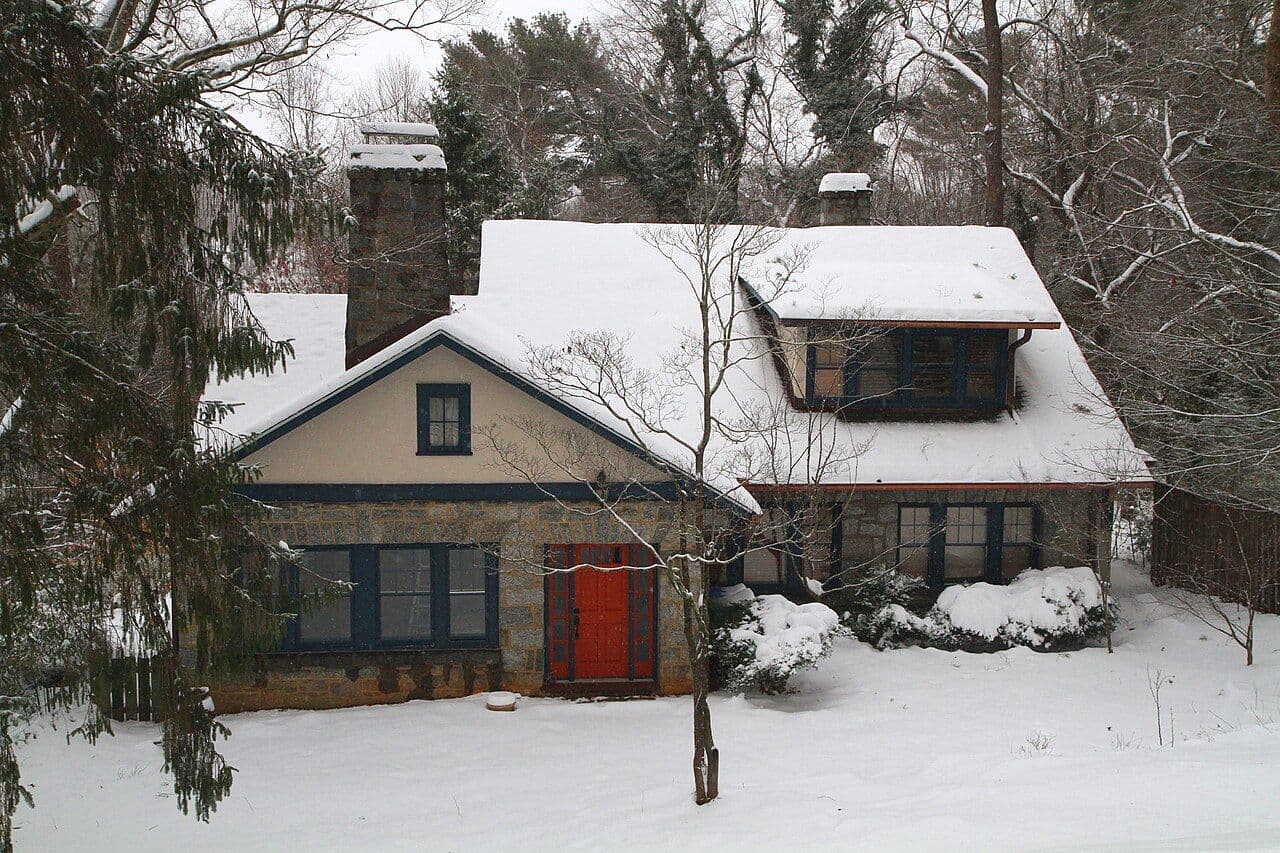
Frozen pipes and your policy. The standard homeowners form (ISO HO 00 03, 1991 edition) excludes freeze damage to plumbing, heating and air conditioning unless you used reasonable care to either keep the heat on or shut off the water and drain the systems. Wording varies by form and insurer, so read yours.
Vacancy clauses. The same 1991 form excludes vandalism and glass breakage if the house was vacant more than 30 consecutive days before a loss; newer editions and many carriers use 60. Insurers distinguish "vacant" (empty of contents and people) from "unoccupied" (furnished, nobody there). Ask your agent how your policy defines both.
The right policy type. A home that isn't your primary residence, or that you rent, is usually written on a dwelling policy (DP-1, 2 or 3). NC's insurance commissioner settled dwelling rates at an average of +5% on October 1, 2026 and +5% on October 1, 2027 (NC DOI, April 22, 2026). Owner-occupied homeowners rates rose 7.5% in 2025 and 2026 and are frozen through June 1, 2027 (NC DOI, January 17, 2025). Short-term renting usually needs an STR endorsement or commercial policy. Flood is always separate.
Common safeguards (general practice, none required by law): a low-temperature alarm that texts you, a leak sensor with an automatic shutoff valve, a smart thermostat set around 55°F or higher, generator or propane backup, a heated pump house if you're on a well, and a local person who walks through on a schedule, especially after a hard freeze. Some insurers discount for monitoring; ask yours.
Closing-up routine. Keep a written checklist in a kitchen drawer: thermostat setting, water shutoff and drain steps if you use them, sensors tested, perishables gone, caretaker's number on the fridge. If you hire a caretaker or house-watch service, get in writing how often they visit, what they check on each walk-through (heat, water, leaks, doors and windows, the driveway after a storm) and how they report back to you in Florida. Ask me and I'll help you find local options to interview. More in Your First Mountain Winter.
Squatters. Since December 1, 2025, NC has an expedited process for removing unauthorized occupants who aren't tenants: the owner files with a magistrate and law enforcement removes them (UNC School of Government, December 10, 2025). It doesn't replace eviction for actual tenants.
Getting back and forth, and your doctors
Asheville Regional Airport has nonstops on Allegiant to Fort Lauderdale, St. Pete-Clearwater, Orlando Sanford, Orlando International, Punta Gorda, Sarasota, West Palm Beach and Key West (Destin in summer), and American to Miami. There's no nonstop to Tampa International or Jacksonville (flyavl.com, checked September 2026; routes change).

If you have Medicare, check how your coverage works in both places. Under general Medicare rules, a Medicare Advantage plan is tied to a service area, while a Medigap plan moves with you. Confirm on Medicare.gov or with SHIIP, North Carolina's free Medicare counseling program, before you rely on care in the state you're not based in. More on healthcare for retirees.
The straight talk
- "183 days" is a presumption, and domicile depends on the whole picture. Counting days alone won't settle it.
- The homestead rules are strict and unforgiving. Claiming one NC residency-based benefit, or renting the Florida house more than 30 days a year two years in a row, can create a tax bill in Florida.
- Two houses, two sets of paperwork. Renting the NC house means an NC return every year, even if you never become a resident.
- Empty houses are an insurance question first. Policies narrow fast when nobody's home, and freeze damage depends on what you did before you left.
- Plans change. If you might settle in one place someday, learn how Florida portability works before you decide.
Questions people ask
Can I keep my Florida homestead if I buy a house in North Carolina? Florida's statute, F.S. 196.031(6), turns on claiming a residency-based tax benefit in another state, so ownership alone isn't the trigger it names. Renting out your Florida homestead has its own limits, and facts vary. Have a Florida CPA or attorney look at your setup.
Is there a 183-day rule in North Carolina? Spending more than 183 days in NC in a year creates a rebuttable presumption that you're a resident. It works as a presumption, and being here fewer days doesn't prove you're a nonresident. Domicile is judged on all your ties.
Do I file a North Carolina tax return if I rent out my mountain house? Generally yes. Rental income from NC property is NC-source income, and nonresidents with that income above the standard deduction file an NC nonresident return. A CPA can tell you what you'll owe.
Does my homeowners policy cover frozen pipes in a vacation home? It depends on the policy. The standard form excludes freeze damage unless you kept the heat on or shut off and drained the water, and vacancy clauses can limit coverage after 30 or 60 days. Ask your agent to walk you through your exact wording.
What kind of insurance does a seasonal home need? Homes that aren't your primary residence, or that you rent, are usually on a dwelling policy, and short-term rentals may need an endorsement or commercial coverage. Flood is separate. A licensed insurance agent can match the policy to how you use the house.
Next in this series
- A Second Home in the Mountains: the hub for everything about owning two places.
- Buy Now, Retire Later: if the mountain house will earn rent until you move in.
- Short-Term Rental Rules Around Asheville: what you can rent, town by town.
- Moving States as a Couple: Legal Checklist: wills, powers of attorney and titling questions for your NC attorney.
Book a 20-minute runway call
Tell me where you are and when you're hoping to move. We'll sketch the timeline together.
Sources
- Florida Statutes 222.17, Declaration of Domicile, https://www.flsenate.gov/Laws/Statutes/2025/222.17 (accessed 2026-09-25)
- Florida Statutes 196.031, Homestead exemption, https://flsenate.gov/Laws/Statutes/2024/196.031 (accessed 2026-09-25)
- Florida Statutes 196.061, Rental of homestead, https://www.flsenate.gov/Laws/Statutes/2025/196.061 (accessed 2026-09-25)
- Florida Bar Journal, Only one can win: property tax exemptions based on residency, https://www.floridabar.org/the-florida-bar-journal/only-one-can-win-property-tax-exemptions-based-on-residency-under-florida-law/ (Sept/Oct 2018)
- Florida DOR, Save Our Homes, https://floridarevenue.com/property/Documents/SaveOurHomes.pdf (revised Jan 2026)
- Palm Beach County Property Appraiser, Portability, https://pbcpao.gov/portability.htm (accessed 2026-09-25)
- Pinellas County Property Appraiser, Amendment 3 FAQ, https://www.pcpao.gov/amendment3 (2026)
- NC G.S. 105-153.3, residency definitions, https://codes.findlaw.com/nc/chapter-105-taxation/nc-gen-st-sect-105-153-3.html (accessed 2026-09-25)
- NC G.S. 105-153.8, who must file, https://www.ncleg.gov/EnactedLegislation/Statutes/HTML/BySection/Chapter_105/GS_105-153.8.html (accessed 2026-09-25)
- NCDOR Tax Rate Schedules, https://www.ncdor.gov/taxes-forms/individual-income-tax/tax-rate-schedules (accessed 2026-09-25)
- NC Newsline, Stein signs North Carolina budget, https://ncnewsline.com/2026/07/07/stein-signs-34b-north-carolina-budget-with-pay-raises-lower-taxes/ (2026-07-07)
- NCDOR, Social Security and Railroad Retirement benefits, https://www.ncdor.gov/taxes-forms/individual-income-tax/filing-topics/social-security-and-railroad-retirement-benefits (accessed 2026-09-25)
- NCDOR, AV-9 property tax relief application, https://www.ncdor.gov/av-9-2025-application-property-tax-relief-0/open (2025)
- Buncombe County, MyValueBC 2026 Reappraisal, https://www.buncombenc.gov/588/MyValueBC-2026-Reappraisal (accessed 2026-09-25)
- ISO HO 00 03 04 91 form text, https://www.heritagepci.com/wp-content/uploads/2024/10/HO-00-03-04-91.pdf (accessed 2026-09-25)
- NC DOI, Dwelling rate settlement, https://www.ncdoi.gov/news/press-releases/2026/04/22/commissioner-causey-negotiates-dwelling-rate-settlement-insurance-companies (2026-04-22)
- NC DOI, Homeowners rate settlement, https://www.ncdoi.gov/news/press-releases/2025/01/17/commissioner-causey-negotiates-settlement-rate-bureaus-homeowners-insurance-request (2025-01-17)
- UNC School of Government, Squatters beware, https://www.sog.unc.edu/publications/bulletins/squatters-beware-navigating-north-carolinas-expedited-removal-law (2025-12-10)
- Asheville Regional Airport, featured destinations, https://flyavl.com/flights/featured_destinations (fetched Sept 2026)