Short-Term Rental Rules Around Asheville, Town by Town
Inside Asheville city limits, you generally can't rent a whole house for less than 30 days unless it's in the Resort zoning district or legally grandfathered. Outside the city, the rules change at every town and county line: some places allow short-term rentals with a permit, some ban new ones in residential zones, and for several towns I couldn't confirm the current rules at all. Before you buy with rental income in mind, get the zoning answer for that exact parcel in writing.
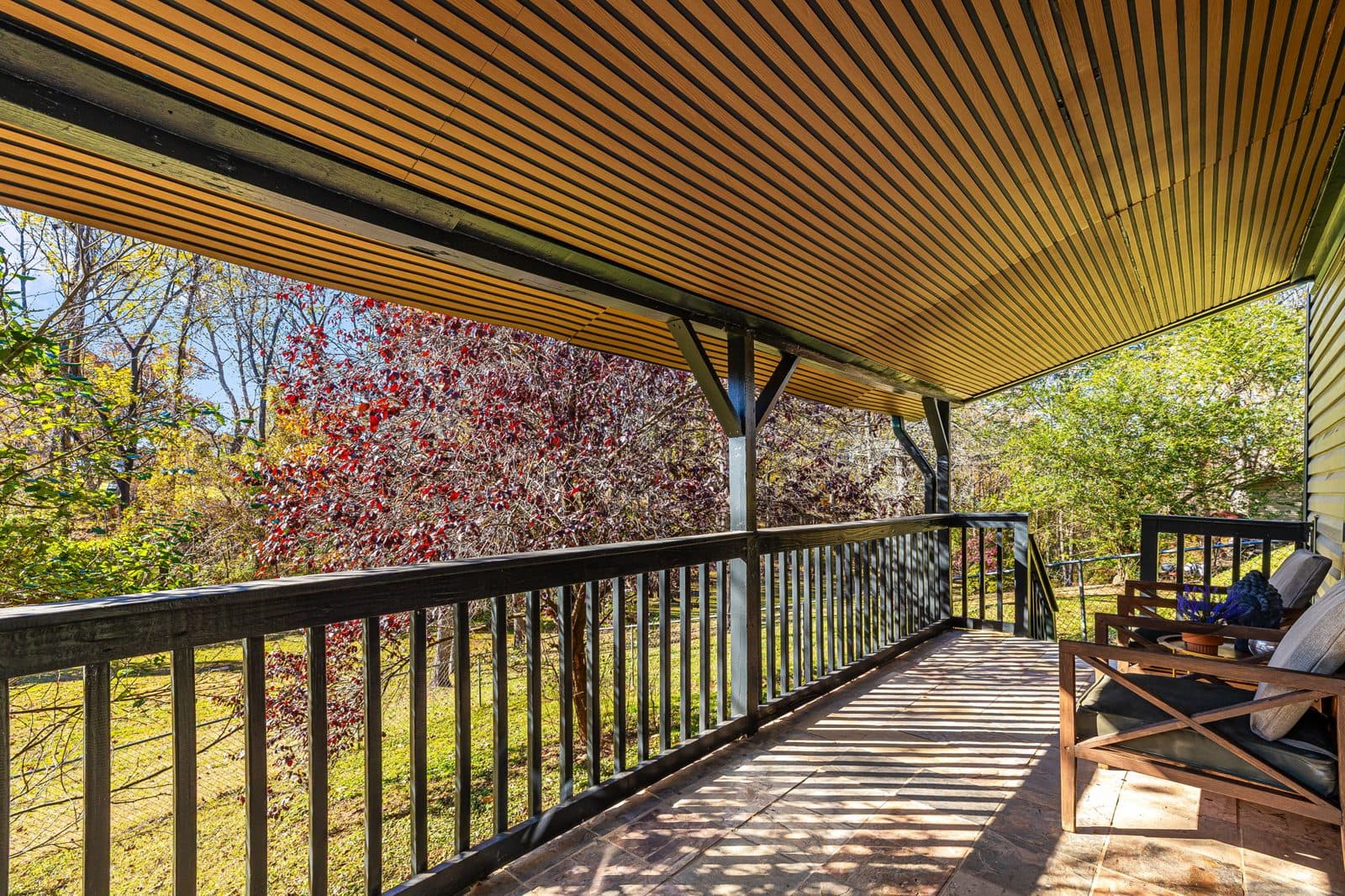
A lot of the second-home buyers who write to me get stuck on the same question: can we rent it when we're not using it? Inside Asheville city limits the answer is usually no, and in the towns around it the answer depends on the parcel. So I pull the zoning before anyone falls for the porch. I'd rather give you disappointing news in week one than at the closing table.
This is general information, not legal, tax, or financial advice. Consult a North Carolina real estate attorney, a CPA familiar with both Florida and North Carolina, a licensed lender, and a licensed insurance agent about your situation. Rules below are as of September 25, 2026, and they change.
First, the words that matter
- Short-term rental (STR): in most local codes here, including Asheville's and Brevard's, a rental of under 30 days.
- Vacation rental: under North Carolina's Vacation Rental Act, a rental for vacation or leisure of fewer than 90 days by someone with a permanent home elsewhere (G.S. Chapter 42A). The Act sets rules for written agreements, advance rents held in trust, deposits and expedited eviction.
- Homestay (Asheville): renting part of the home you live in, while you live there.
- Mid-term rental: 30 days or more.
What the state allows towns to do
NC towns and counties can't require a registration or permit just to rent residential property. The NC Court of Appeals struck down Wilmington's STR registration and lottery in Schroeder v. City of Wilmington (April 2022), along with the caps tied to it (UNC School of Government, April 14, 2022). Local governments can still regulate STRs through zoning, parking, occupancy limits, insurance, trash and development approvals, so the answer depends on the parcel's zoning.
Senate Bill 291 would bar local total bans on STRs and owner-occupancy requirements. It was sent to committee on March 17, 2025 and hasn't moved; it is not law as of September 25, 2026 (NC General Assembly).
The town-by-town table
"Confirm with the town" means I couldn't confirm current ordinance text from a primary source. It doesn't mean there are no rules.
| Jurisdiction | Whole-house STR (under 30 days)? | Permit or certificate | Notes | As of / source |
|---|---|---|---|---|
| City of Asheville | Only in the Resort zoning district, plus lawfully grandfathered units | Homestay permit for renting part of your own home | Homestay host must live there full time and be present the whole stay; 1-2 bedrooms max. No STRs or homestays in ADUs created under the January 2026 conversion rule | City pages updated April 2026; BPR, Jan. 28, 2026 |
| Unincorporated Buncombe County | Generally allowed in most zoning districts (not near the airport) | Confirm with the county planning office | Size cap cited at 9,000 sq ft of floor area. 2023-24 proposed restrictions were never adopted; committee work on hold since Helene | BPR, Jan. 31, 2024; Spectrum News, Sept. 29, 2025 |
| Woodfin | No new whole-home STRs in residential zones; existing ones grandfathered | Town permit required | 3-bedroom cap; $100/day fines; enforcement began Sept. 2023 | Hendersonville.com, Sept. 2023 |
| Brevard (Transylvania County) | Not in General Residential zones; allowed in Corridor Mixed Use and Institutional Campus districts | Confirm with the city | Ordinance 2023-37, adopted Aug. 21, 2023; existing STRs grandfathered | City of Brevard STR Task Force page |
| Madison County (county zoning) | Vacation rentals need a county certificate; confirm the parcel's zoning | Vacation Rental Certificate with inspection checklist | Oct. 16, 2023: eased road rules for 10 or fewer units; removed the old 1,200 sq ft cap. Marshall, Mars Hill and Hot Springs have their own zoning: confirm with the town | Madison County Planning; WLOS, Oct. 16, 2023 |
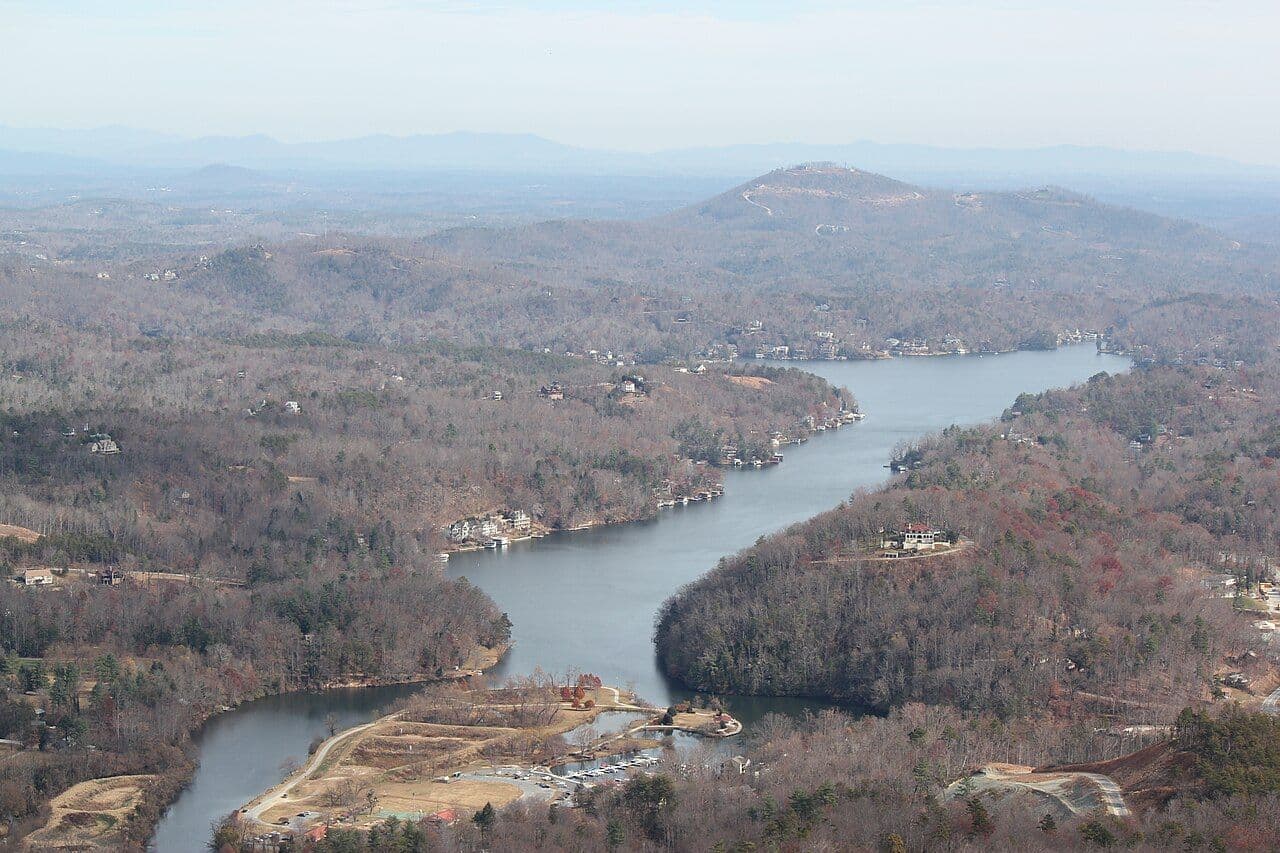
| Lake Lure (Rutherford County) | Allowed in most districts; limits for multifamily/duplex in R-1, R-2, M-1 | Vacation Rental Operating Permit | Occupancy cap: 2 per bedroom plus 4, or 12 total, whichever is less. Exempt if rented no more than twice a year for under 2 weeks combined. Animal-resistant trash containers, posted 24/7 contact | Town of Lake Lure page (no revision date shown) |
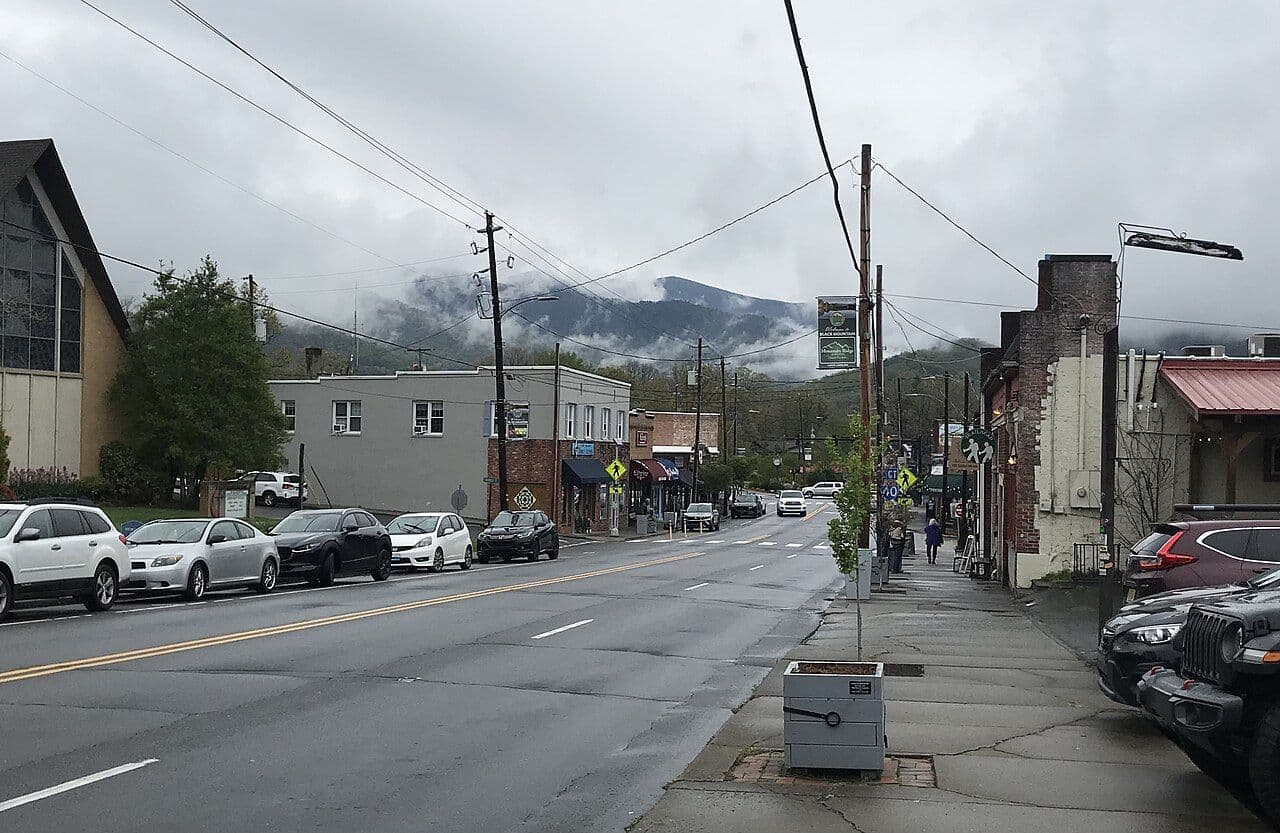
| Black Mountain | Confirm with the town | Confirm with the town | In 2023 council leaned against major restrictions and asked for light, safety-focused rules in its code rewrite | The Valley Echo, 2023 |
| Weaverville | Confirm with the town | Confirm with the town | Referred to the planning board for study in 2023; no proposal found | Tribune Papers, April 2023 |
| Hendersonville / Henderson County | Confirm with the town and county | Confirm with the town and county | No primary city or county page found | n/a |
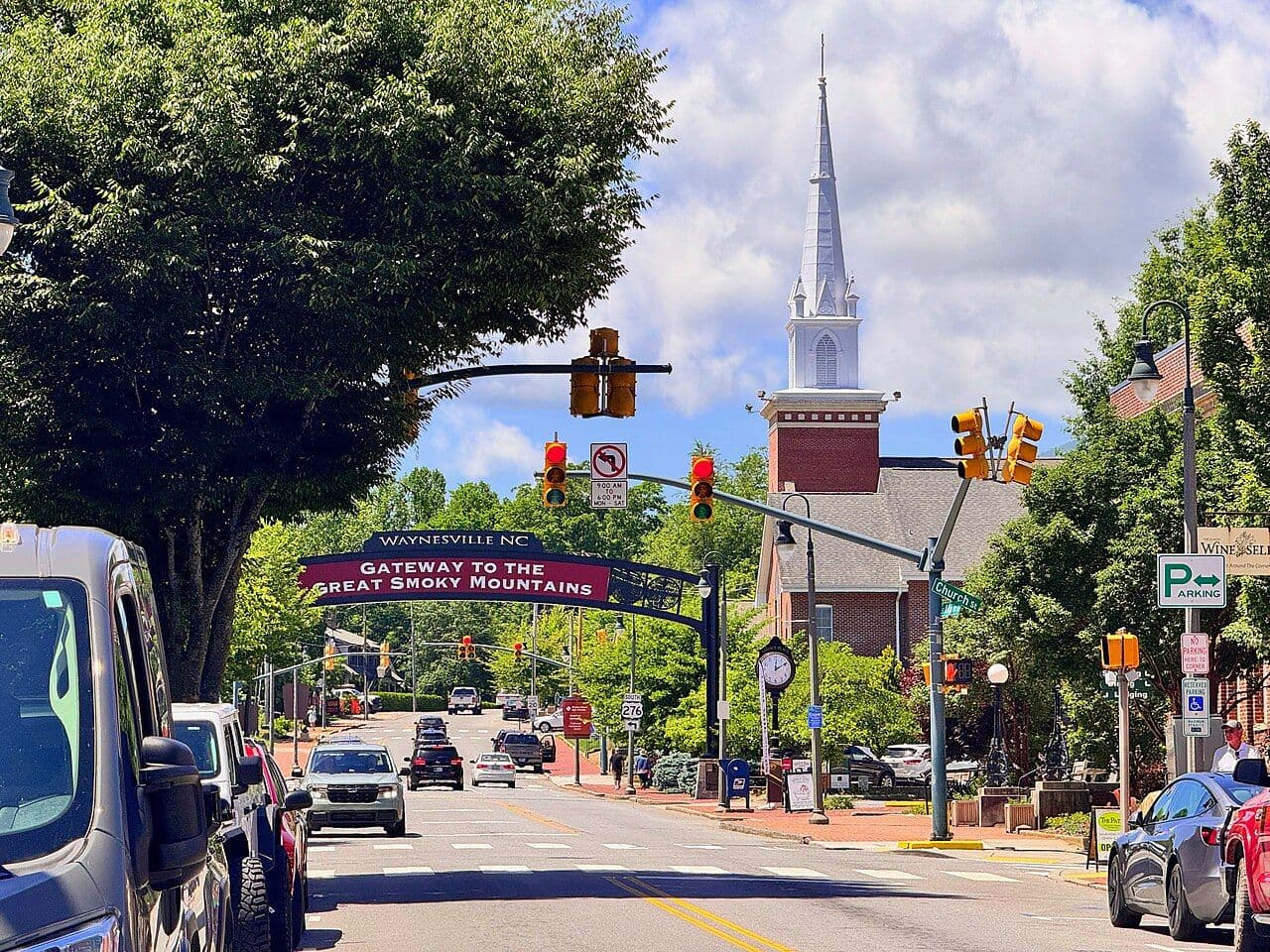
| Waynesville | Confirm with the town | Confirm with the town | A local real estate blog reported a permit system "under consideration" | coryhelpsyoumove.com, Feb. 2026 |
| Maggie Valley | Confirm with the town | Confirm with the town | n/a | n/a |
| Unincorporated Transylvania County | Confirm with the county | Confirm with the county | Not researched | n/a |
A few notes on the table:
- Grandfathering is fragile. Whether a legal nonconforming STR stays legal after a sale depends on continuous use and local rules. For Asheville, I didn't find a city page stating the transfer rule. For Brevard, local reporting on the task-force draft said grandfathered STRs in continuous operation stay protected through a sale; confirm the final ordinance says the same. Either way, get it in writing from the zoning office before you close.
- Woodfin's permit. The town began enforcing its ordinance in September 2023. Whether a permit requirement holds up after Schroeder is a question for an NC attorney, so ask one before you count on a different answer.
- Helene changed Buncombe's timeline. After the storm, the county passed an emergency housing ordinance letting owners convert STRs to long-term housing for hurricane survivors, and it paused its STR committee (Spectrum News, September 29, 2025). If the county restarts that work, rules could tighten.
Mid-term rentals: the 30-day line
If you want flexibility without the STR rules, look at rentals of 30 days or more: people on work assignments, people between homes, and relocators who want to try an area before they buy. Asheville's STR and homestay limits apply to stays under 30 days, so 30-plus-day furnished rentals are generally allowed in residential districts as ordinary residential use. Brevard also draws its STR line at 30 days. Confirm zoning for the property either way. For someone trying the area out, a month in a furnished place is a good test run.
Two tax points: rentals of 90 or more continuous days to the same person are exempt from sales and occupancy tax. Rentals of 30 to 89 days are still taxable accommodations unless another exemption applies (UNC School of Government, April 28, 2014). Confirm with NCDOR or a CPA.
What guests pay: sales and occupancy tax
STR receipts, including cleaning, pet and reservation fees, are subject to state and local sales tax plus a county room occupancy tax (NCDOR).

| County | Combined sales tax (effective July 1, 2026) | Room occupancy tax | Typical total on a stay |
|---|---|---|---|
| Buncombe | 7% | 6% | about 13% |
| Henderson | 6.75% | 6% (raised from 5% on Sept. 1, 2025) | about 12.75% |
| Haywood | 7% | 4% | about 11% |
| Madison | 7% | 5% | about 12% |
| Transylvania | 6.75% | 5% | about 11.75% |
| Rutherford (Lake Lure) | 7% | 6% | about 13% |
Sources: NCDOR current sales tax rates; BPR (June 16, 2026) for Buncombe; Henderson County Finance for Henderson; the NCDOR-facing bill summary for Haywood; the NC Restaurant & Lodging Association's March 2024 profile for Madison, Transylvania and Rutherford. The last three are from a 2024 secondary compilation, so check them.
Two pending items: House Bill 169 would let Haywood raise its rate to 6%. It passed both chambers but was re-referred to committee on July 2, 2026 and is not enacted as of September 25, 2026. Senate Bill 484 would limit how occupancy-tax money is spent without changing rates. I couldn't confirm whether Maggie Valley or Canton levy an extra local room tax; confirm with the town.
Who collects. Airbnb signed an agreement with NCDOR in 2015 to collect state sales tax and says it collects local occupancy tax in all 100 NC counties (claimed as of 2019). You remain responsible for direct bookings and any platform that doesn't collect (UNC School of Government, November 2022). Counties also require occupancy-tax registration and monthly returns (Haywood's are due by the 20th). There's a narrow exemption for a private home rented directly for fewer than 15 days a year, but since 2014 a home rented through a rental agent is taxable regardless of days.
Separately, the rental income itself goes on your income tax return, including an NC nonresident return if you live in Florida. See Splitting the Year.
Before you buy with rental income in mind
- Get the parcel's zoning and ask the zoning office in writing whether a whole-house STR is allowed there.
- If a seller says "grandfathered," get written confirmation from the zoning office that the status exists and survives your purchase.
- Read the HOA documents, including every amendment. A 2024 NC Court of Appeals decision refused to enforce a later-added STR ban in an Asheville-area community, but covenants that restricted rentals from the start are generally enforceable. The outcome depends on the documents.
- Pull the septic permit. The permitted bedroom count caps legal occupancy, and Lake Lure uses county tax records for its bedroom count.
- Ask your lender. A second-home loan assumes the property isn't a rental. See Buy Now, Retire Later.
- Ask your insurance agent about an STR endorsement or commercial policy. Standard homeowners policies typically limit business use.
- Run the numbers with real costs. Rental dashboards disagree, and the gross is only part of the picture.
The straight talk
- Downtown Asheville is closed to new whole-house STRs. In January 2018, City Council extended the ban into commercial districts, including downtown's Central Business District (Mountain Xpress, January 2018). Residential districts were already closed.
- "It's grandfathered" is a claim until the city confirms it. Status can be lost.
- Rules are moving in several directions. A state bill could loosen local limits, Buncombe could restart its restrictions, and small towns are still writing codes.
- The permissive places are farther out, which usually means more driving, private roads, and septic and well homework.
- Taxes and filings are yours. Platforms collect some guest taxes; direct bookings and your income tax return are on you.
Questions people ask
Can I Airbnb a house in Asheville? Inside city limits, a whole-house rental under 30 days is allowed only in the Resort zoning district or in a lawfully grandfathered unit. Renting part of your home as a homestay requires that you live there full time and are present during stays. Outside the city, rules vary by town and county.
Is Buncombe County banning short-term rentals? Not as of September 2026. The 2023-24 proposals were never adopted, and the county's STR committee work was put on hold after Helene. That could restart, so check the county planning page before you buy.
Can I rent my house for 30 days or more instead? In Asheville, rentals of 30 days or more fall outside the STR rules and are generally allowed as residential use. Confirm zoning for the specific property. Rentals of 90-plus continuous days to one person are also exempt from sales and occupancy tax.
How much tax do short-term rental guests pay in Asheville? In Buncombe County, about 13%: 7% combined sales tax plus 6% occupancy tax. Airbnb says it collects these on its bookings, and the owner is responsible for direct bookings.
Does a grandfathered short-term rental stay legal after I buy it? It depends on continuous use and local rules, and I didn't find an Asheville page stating the transfer rule. Get written confirmation from the zoning office before closing, and ask an NC real estate attorney to review it.
Next in this series
- Buy Now, Retire Later: long-term vs. mid-term vs. STR, with a worked example.
- A Second Home in the Mountains: the hub for owning two places.
- Splitting the Year: NC returns on rental income and insuring a seasonal house.
- Helene and Flood Risk: check the house before you check the rental math.
Send me the rental numbers on a property
Give me an address or MLS number. I'll send what the rules allow there and what the rental numbers look like.
Sources
- UNC School of Government, Coates' Canons, Short-term rental regulations after Schroeder, https://canons.sog.unc.edu/blog/2022/04/14/short-term-rental-regulations-after-schroeder/ (2022-04-14)
- NC General Assembly, Senate Bill 291 (2025), https://www.ncleg.gov/BillLookup/2025/S291 (checked 2026-09-25)
- NC G.S. Chapter 42A, Vacation Rental Act, https://www.ncleg.net/enactedlegislation/statutes/html/bychapter/chapter_42a.html (accessed 2026-09-25)
- City of Asheville, Homestays and Short Term Rental Violations, https://www.ashevillenc.gov/department/development-services/compliance-division/homestays-and-short-term-rental-violations/ (updated 2026-04-13)
- City of Asheville, Apply for a Homestay Permit, https://www.ashevillenc.gov/service/apply-for-a-homestay-permit/ (updated 2026-04-02)
- Asheville Code Sec. 7-16-1, https://codelibrary.amlegal.com/codes/ashevillenc/latest/asheville_nc/0-0-0-8684 (accessed 2026-09-25)
- Mountain Xpress, Asheville shuts door on short-term rentals, https://mountainx.com/news/asheville-shuts-door-on-short-term-rentals/ (Jan 2018)
- BPR, Asheville eases rules on accessory dwelling units, https://www.bpr.org/politics-government/2026-01-28/asheville-eases-rules-on-accessory-dwelling-units (2026-01-28)
- BPR/WUNC, Short-term rentals in Buncombe County FAQ, https://www.bpr.org/2024-01-31/short-term-rentals-in-buncombe-county-frequently-asked-questions (2024-01-31)
- Buncombe County news, Planning Board deferral, https://web.archive.org/web/20250217044900/https://www.buncombecounty.org/countycenter/news-detail.aspx?id=21426 (2024-04-22)
- Spectrum News, Buncombe County short-term rentals, https://spectrumlocalnews.com/nc/charlotte/news/2025/09/29/buncombe-county-short-term-rentals (2025-09-29)
- Hendersonville.com, Woodfin begins enforcement of STR ordinance, https://www.hendersonville.com/news/2023/09/woodfin-begins-enforcement-of-ordinance-to-regulate-short-term-rentals/ (Sept 2023)
- City of Brevard, Short-Term Rental Task Force, https://www.cityofbrevard.com/498/Short-Term-Rental-Task-Force (accessed 2026-09-25)
- Brevard News Beat, Brevard takes step towards limiting STRs, https://brevardnewsbeat.substack.com/p/brevard-takes-step-towards-limiting (2023)
- Madison County Planning & Zoning, https://www.madisoncountync.gov/planning-and-zoning.html (accessed 2026-09-25)
- WLOS, Madison County eases vacation rental rules, https://wlos.com/news/local/madison-county-eases-vacation-rental-rules-encouraging-property-investments-tourism (2023-10-16)
- Town of Lake Lure, Residential vacation rentals, https://www.townoflakelure.com/community/page/residential-vacation-rentals (accessed 2026-09-25)
- The Valley Echo, Significant short-term rental restrictions unlikely in Black Mountain, https://www.thevalleyecho.com/all-news/significant-short-term-rental-restrictions-unlikely-in-black-mountain (2023)
- Tribune Papers, Bill would limit what Weaverville can do about STRs (April 2023; the archive link is no longer online)
- NCDOR, Current Sales and Use Tax Rates, https://www.ncdor.gov/taxes-forms/sales-and-use-tax/sales-and-use-tax-rates/current-sales-and-use-tax-rates (accessed 2026-09-25)
- NCDOR, Rentals of accommodations, https://www.ncdor.gov/taxes-forms/sales-and-use-tax/rentals-accommodations (accessed 2026-09-25)
- BPR, Bill could limit how Buncombe spends tourism dollars, https://www.bpr.org/growth-development/2026-06-16/a-bill-making-its-way-through-the-general-assembly-could-limit-how-buncombe-county-spends-tourism-dollars (2026-06-16)
- Henderson County Finance, Occupancy tax rate increase, https://www.hendersoncountync.gov/finance/page/occupancy-tax-rate-increase-5-6 (accessed 2026-09-25)
- NC General Assembly, H169 bill summary, https://dashboard.ncleg.gov/api/Services/BillSummary/2025/H169-SMSV-43(e2)-v-2 and bill page https://ncleg.gov/BillLookUp/2025/H169 (checked 2026-09-25)
- Haywood County occupancy tax FAQ, https://www.haywoodcountync.gov/Faq.aspx?QID=179 (accessed 2026-09-25)
- NC Restaurant & Lodging Association, 2024 Profile of NC Occupancy Taxes, https://www.ncrla.org/wp-content/uploads/2024/04/2024-Profile-of-NC-Occupancy-Taxes-and-Their-Allocation.-March-2024.pdf (March 2024)
- UNC School of Government, Occupancy taxes continued, https://canons.sog.unc.edu/blog/2014/04/28/occupancy-taxes-continued/ (2014-04-28)
- UNC School of Government, Occupancy taxes and Airbnb, https://canons.sog.unc.edu/2022/11/occupancy-taxes-and-airbnb-2/ (Nov 2022)
- Cory Helps You Move, Short-term rental rules in western NC, https://coryhelpsyoumove.com/blog/short-term-rental-rules-western-nc.html (Feb 2026)
- Parker Poe, NC Court of Appeals refuses to enforce STR amendment, https://www.parkerpoe.com/news/2024/08/north-carolina-court-of-appeals-refuses-to-enforce (Aug 2024)