Your First Mountain Winter: A Guide for Floridians
Winter in Asheville is milder than most Floridians fear. The average January day runs from about 29°F at night to 49°F in the afternoon, and the city averages about 11.5 inches of snow a year, spread over roughly 10 snowy days (1991-2020 normals). The harder parts are the gray stretch in late winter, ice on shaded roads and driveways, and learning to heat a house again.
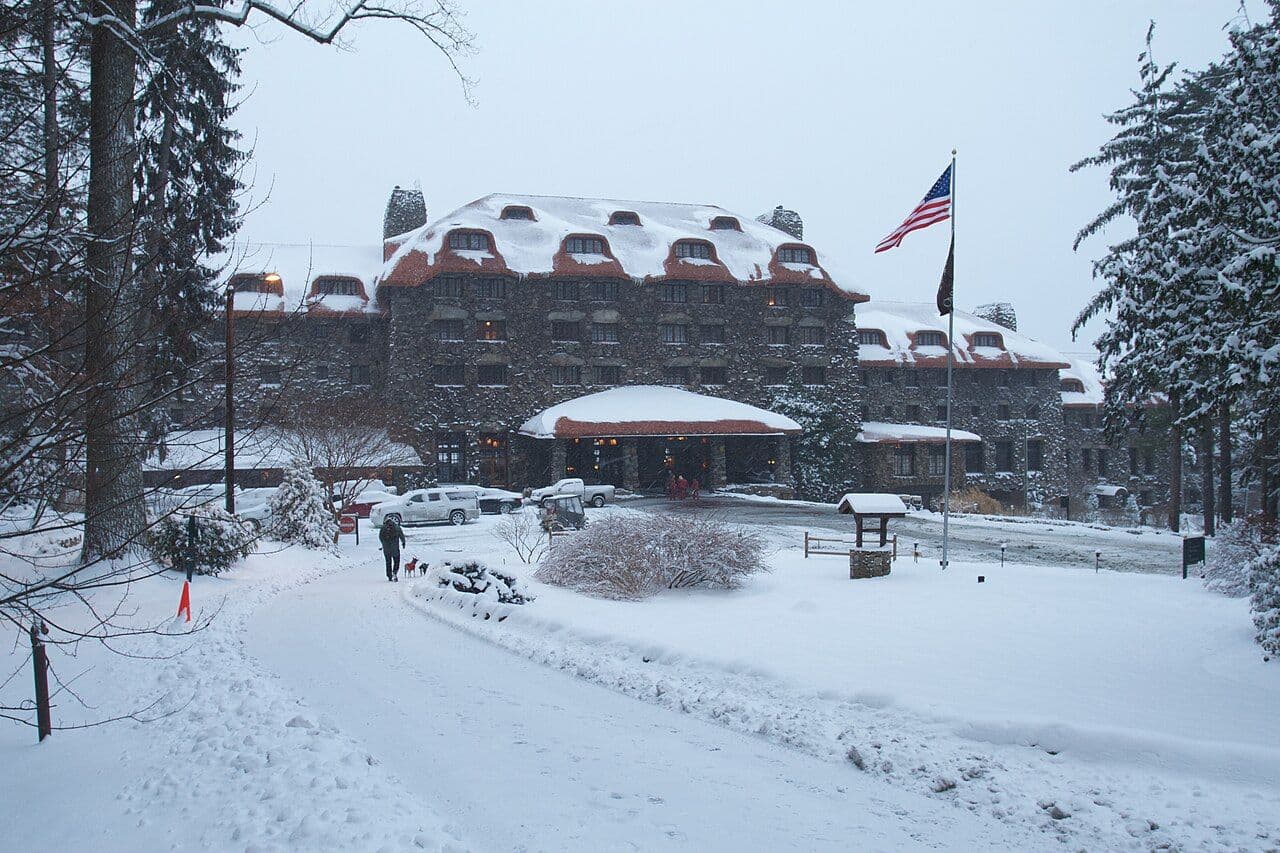
Your elevation, your driveway and your heating system will shape your winter more than the city averages will. Here's how to size up each one, plus the short shopping list I'd give any couple coming up from Florida.
I grew up in Gainesville, and the advice I give every Floridian is the same: a mountain winter is its own thing, so visit once in February before you buy.
What winter feels like here
Asheville Regional Airport's official normals (NWS, 1991-2020):
| Average high | Average low | |
|---|---|---|
| January | 48.9°F | 28.6°F |
| July | 85.3°F | 64.9°F |
So a typical January day starts below freezing and warms up to jacket weather by lunch. Summer is warm but rarely brutal, which is the other half of why people move here.
Here's how much heating and cooling each place needs in a normal year, measured in degree days (NOAA 1991-2020 normals):
| Place | Heating degree days | Cooling degree days |
|---|---|---|
| Asheville | 3,841 | 1,049 |
| Orlando | 525 | 3,452 |
| Tampa | 434 | 3,928 |
| West Palm Beach | 202 | 4,166 |
| Miami | 104 | 4,656 |
Put simply, Asheville needs 7 to 37 times as much heating as those Florida cities and roughly a quarter to a third of the cooling. You're trading your A/C bill for a heating bill.
If you've lived in Florida, here's one thing the numbers don't show. The cold is manageable. The gray is harder. January and February will test your commitment to mountain life, and I say that lovingly.
Elevation changes everything
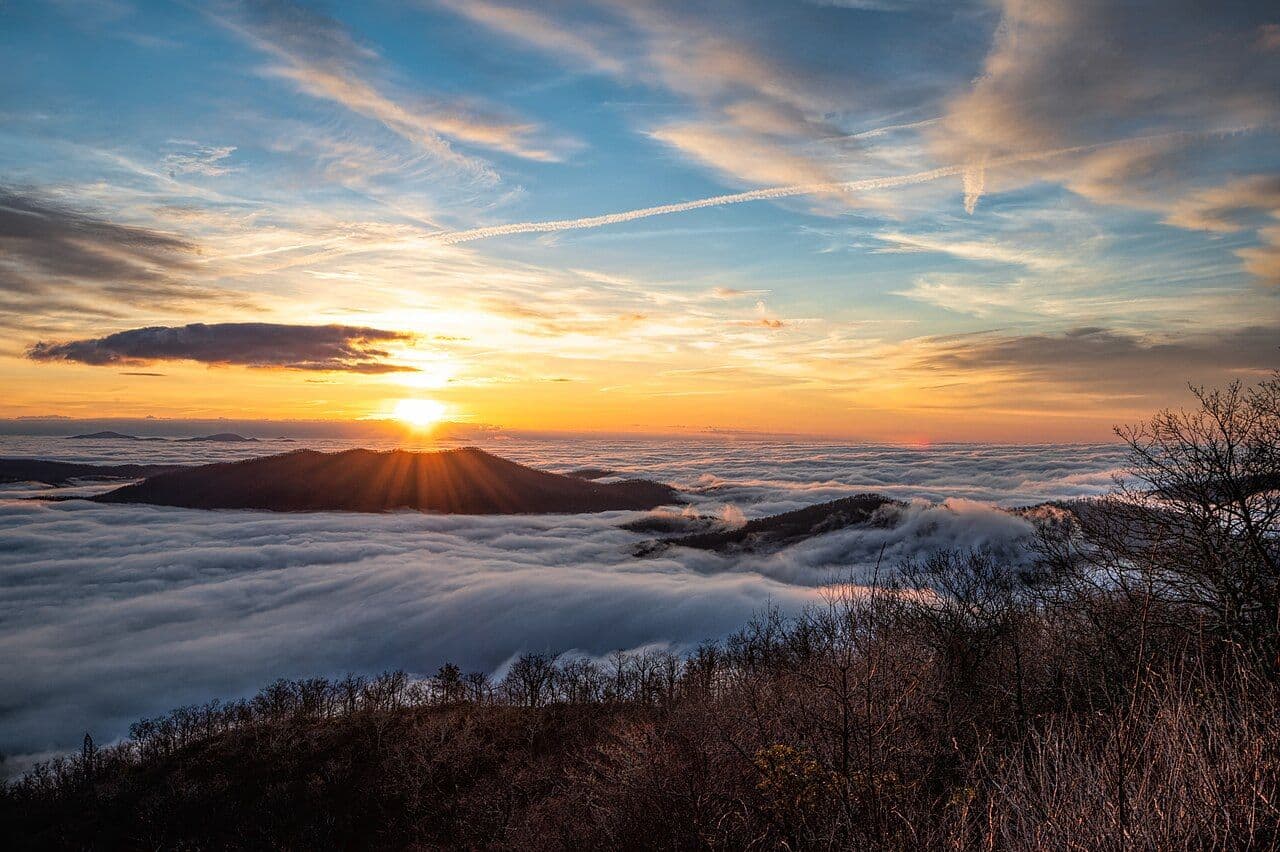
Town centers around here sit at similar heights:
| Town | Elevation (town center) |
|---|---|
| Hendersonville | 2,100 ft |
| Asheville | 2,134 ft |
| Weaverville | 2,146 ft |
| Brevard | 2,149 ft |
| Black Mountain | 2,333 ft |
| Waynesville | 2,697 ft |
Individual homes can sit well above their town center, especially on ridges. Higher generally means noticeably cooler, with more snow and ice. For comparison, Boone averages 25.6 inches of snow a year and Banner Elk 31.4, against Asheville's 11.5. I don't have official snowfall normals for Hendersonville, Waynesville or Black Mountain, so I won't guess.
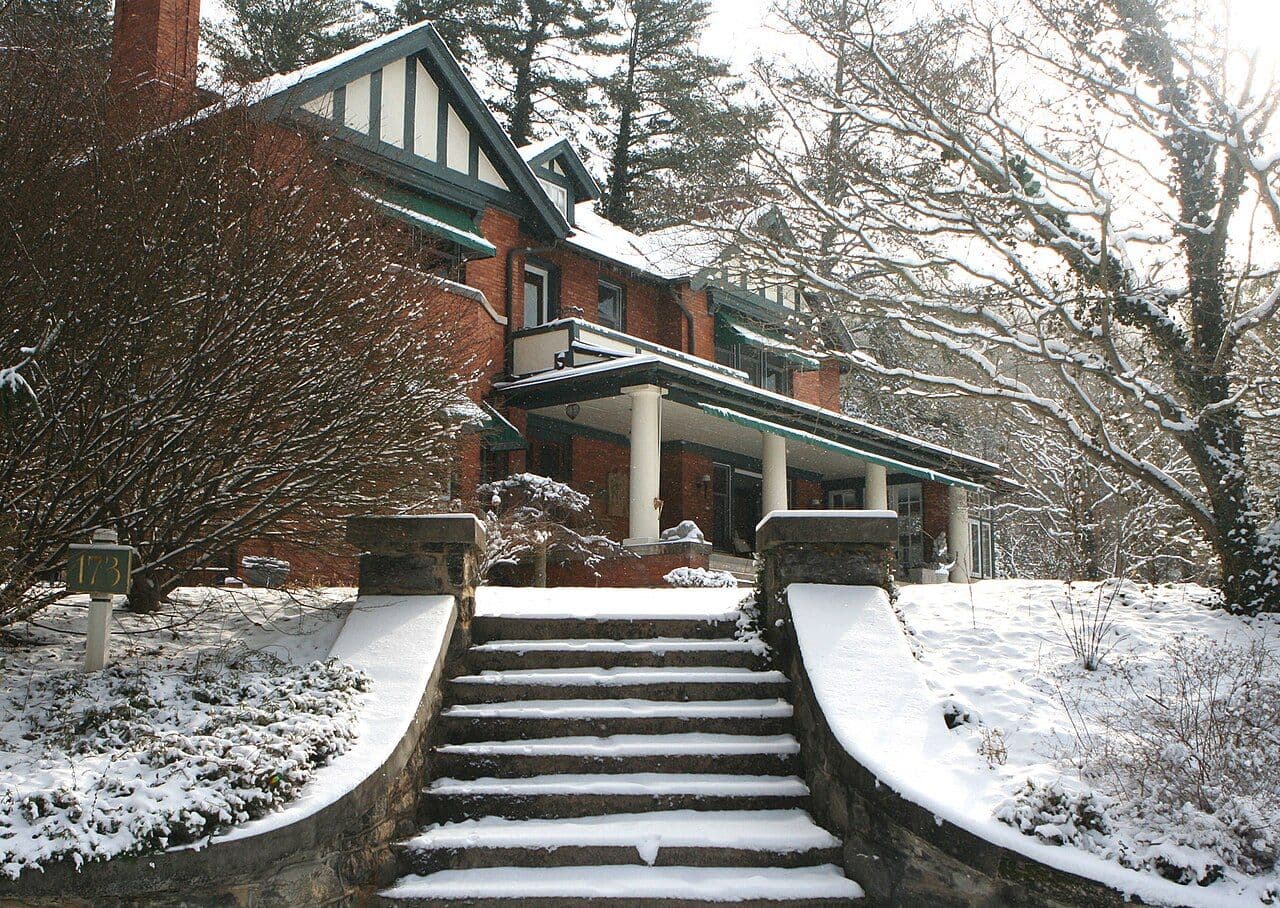
Two houses a few miles apart can have very different winters. Before you fall for a house up a ridge road, drive the route at the hour you'd actually leave in the morning, notice the shaded and north-facing curves, and if you can, come back on a cold day.
Snow totals swing a lot from year to year, so don't judge the place by one winter.
Driving: the road matters more than the snow
Main roads get plowed and treated. The trouble spots are steep, shaded and north-facing roads and driveways, where ice can linger after everything else has melted. Black ice (a thin, clear glaze you can't see) is the thing to respect.
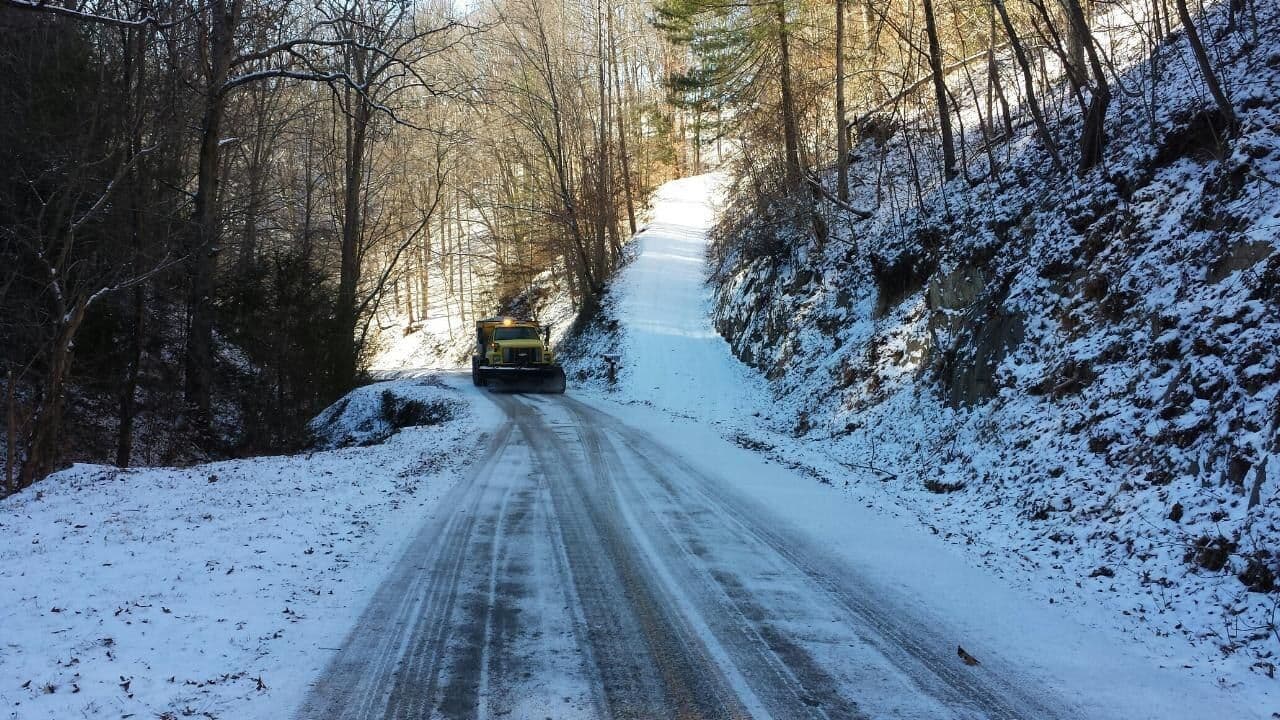
When you look at houses, ask:
- Who plows the road? Public roads get plowed and treated, main roads first. Private and HOA roads depend on a contractor or the neighbors, and can be slow.
- Is there a recorded road maintenance agreement? On a private road, it spells out who pays for plowing, gravel and repairs.
- How steep is the driveway, and which way does it face? A steep, shaded driveway that looks charming in October can keep you home for days in January.
- Can you park at the bottom? Some owners on steep lots keep a spot near the road for icy mornings.
Practical habits for Floridians: give yourself extra following distance, brake gently and early, and on icy mornings, know that staying home is a normal choice here. If you drive west toward Knoxville, I-40 through the Pigeon River Gorge is still one lane each way after Helene, with full completion targeted for late 2029 (BPR, Sept. 3, 2026).
This is also a good reason to put one-level living and an easy driveway on your list. More in One-Level Homes in the Mountains.
Heating the house
You'll see four main heat sources here:
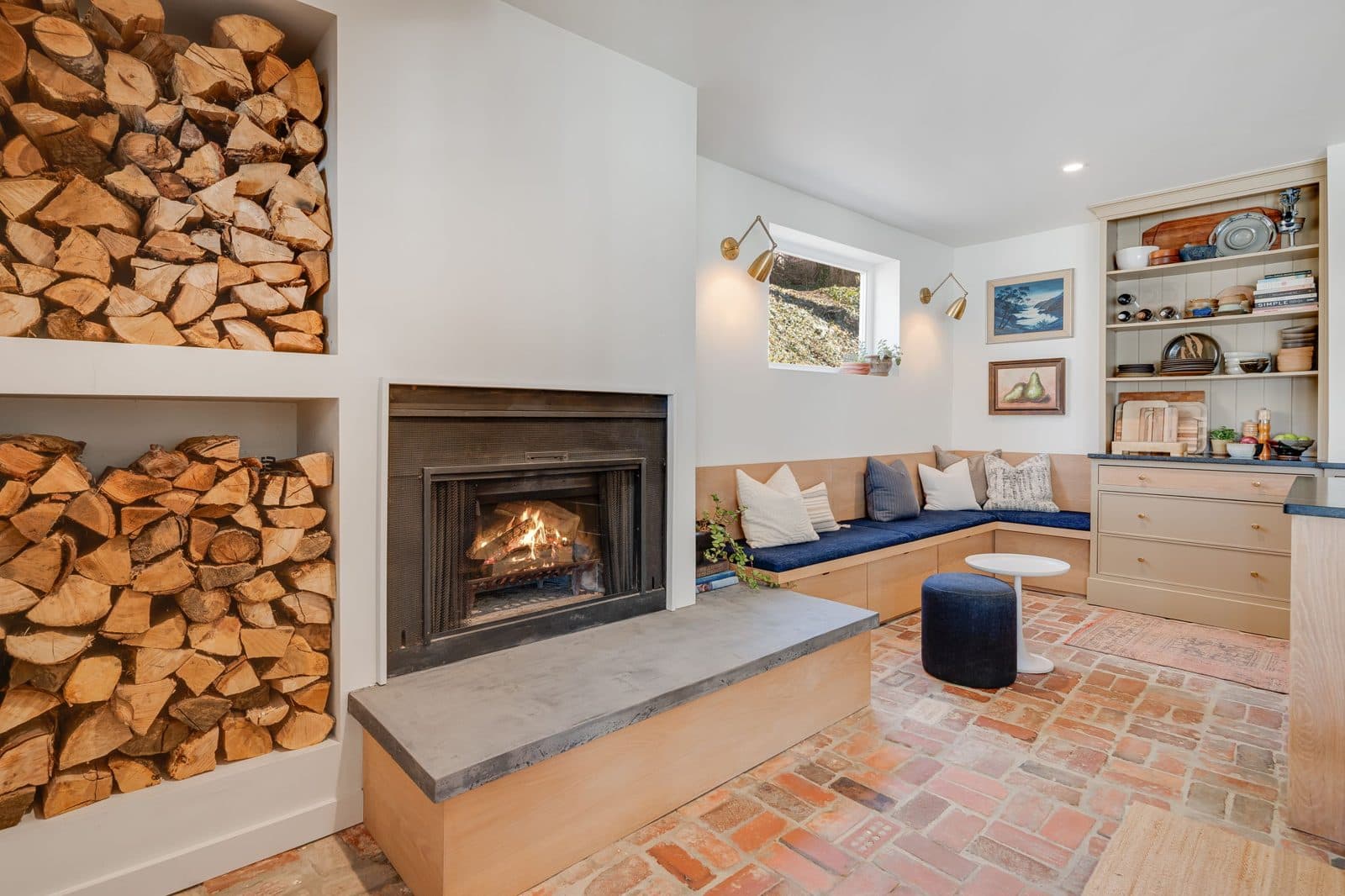
- Electric heat pumps. Many area homes use them. They heat and cool with one system.
- Natural gas from Enbridge Gas North Carolina (formerly PSNC), where lines reach.
- Propane, stored in a tank on the property and delivered.
- Heating oil, mostly in older homes.
Electricity comes from Duke Energy Progress in most of the Asheville area, with parts of the region served by co-ops like French Broad, Haywood and Blue Ridge. Duke's typical NC residential bill for 1,000 kWh was $163.84 a month when it filed its rate case in November 2025, and an increase is pending for 2027.
I don't have a sourced "average winter heating bill" for Asheville, and I'd be suspicious of anyone who quotes one. It depends on the house, the fuel and the insulation. So on any house you're serious about, ask for:
- The last 12 months of utility bills, including gas or propane deliveries.
- The heating system's type and age, and when it was last serviced.
- The backup heat source. If the power goes out, what keeps the house above freezing?
- Insulation and windows, which your home inspector can comment on.
Full cost comparisons are in Florida vs. North Carolina: What It Really Costs.
Frozen pipes (and leaving the house for a while)
Frozen pipes are expensive and avoidable. A common standard homeowners policy form (ISO HO 00 03) excludes freeze damage to plumbing unless you took reasonable care to either keep the heat on or shut off the water and drain the system. Policies vary, so read yours or ask your agent.
If you're going back to Florida for part of the winter, these are the common safeguards part-time owners use:
- The heat left on, with the thermostat around 55°F or higher.
- Or the water shut off and the lines drained.
- A low-temperature alarm and a water-leak sensor with an automatic shutoff valve.
- A local caretaker who checks the house on a schedule.
- A generator or propane backup, especially at elevation.
- On a well, heat tape on the line or a heater in the pump house.
- A clear read of your policy's vacancy wording. Some forms restrict coverage for certain losses after 30 or 60 days empty, and "vacant" and "unoccupied" mean different things. Your agent can walk you through yours.
Some insurers give discounts for monitoring devices. Ask your agent. The rules for splitting the year, including insurance and taxes, are in Splitting the Year Between Florida and the Mountains.
What to buy before your first winter
Nothing fancy. Most Florida couples need:
- A real winter coat each, plus layers you can peel off by afternoon
- Waterproof boots with good tread for icy steps and parking lots
- Gloves, a hat and a scarf
- An ice scraper and snow brush for each car, and winter-rated washer fluid
- Ice melt (pet-safe if you have dogs) and a snow shovel
- Flashlights, batteries and a power bank for outages
- Outdoor faucet covers and pipe insulation for exposed lines
- A freeze alarm or smart thermostat that texts you if the house gets cold
Ask your mechanic about tires for your car and where you'll live.
Getting through February
The gray is the part to plan for. A few things that help:
- Take a class. OLLI at UNC Asheville runs a winter term, and membership is $75 a year (2026-27).
- Get outside anyway. The NC Arboretum is open 8am to 7pm from November through March. I run on the greenways and around Beaver Lake, and both are easy places to start.
- Build your winter crew early. I've written about timing it (start in late spring and you'll have your crew by winter) in How to Make Gay Friends Here. For me it was volleyball at Highland Brewing. There's more for couples over 50 in LGBTQ+ Community After 50.
Then March hits, everything blooms, and you forget winter happened.
The straight talk
- You will be cold sometimes. The average January night drops below freezing.
- Ice is the real hazard. Snow is usually brief. Shaded driveways and private roads are where people get stuck.
- Heating costs are a new line in your budget, and I can't give you an average. Get the seller's bills.
- Elevation and a view come with more winter. Decide how much you want before you fall for a ridge-top deck.
- Leaving the house empty needs a plan. Heat on or water off, sensors, a caretaker and the right policy.
- The gray is harder than the cold for a lot of Floridians. Build a routine that gets you out.
Questions people ask
How cold does Asheville get in winter? January averages a high of 48.9°F and a low of 28.6°F at Asheville Regional Airport (1991-2020 normals). Homes at higher elevations run noticeably cooler.
How much snow does Asheville get? About 11.5 inches a year on average, over roughly 10 snowy days, though it varies a lot from year to year. Higher places like Boone average more than twice that.
Can we drive in winter if we've never driven on snow? Most days, yes, because main roads are plowed and treated. The risk is ice on steep, shaded roads and driveways. Staying home on icy mornings is normal here.
Is a heat pump enough in the mountains? Many area homes use heat pumps, and performance depends on the system, the house and your elevation. Ask for the system's age and the last 12 months of bills, and have your inspector or an HVAC contractor weigh in.
What should we do with the house when we go back to Florida? The usual plan is heat on, or water shut off and drained, plus freeze and leak sensors and someone who checks the house. Your insurance agent can go over your policy's freeze and vacancy language with you.
Next in this series
- Leaving Florida for Asheville: the full guide for couples making the move.
- Florida vs. North Carolina: What It Really Costs: heating, electricity, insurance and taxes side by side.
- Splitting the Year Between Florida and the Mountains: insurance, winterizing and taxes for part-year owners.
- One-Level Homes in the Mountains: stairs, driveways and terrain.
Get the Florida-to-Asheville Move Kit
The checklists, cost worksheet and flood questions I walk clients through, in one PDF.
Sources
- NWS Greenville-Spartanburg, Asheville January normals, https://www.weather.gov/media/gsp/Climate/AVL/AVLJANNORM.pdf (1991-2020 normals)
- NWS Greenville-Spartanburg, Asheville July normals, https://www.weather.gov/media/gsp/Climate/AVL/AVLJULNORM.pdf (1991-2020 normals)
- Current Results, North Carolina annual snowfall (citing NCEI 1991-2020 normals), https://www.currentresults.com/Weather/North-Carolina/annual-snowfall.php (accessed 2026-09-25)
- NOAA NCEI, 1991-2020 annual/seasonal normals (degree days), https://www.ncei.noaa.gov/products/land-based-station/us-climate-normals (pulled 2026-09-25)
- Wikipedia town infoboxes citing USGS GNIS (Asheville, Hendersonville, Brevard, Weaverville, Black Mountain, Waynesville), accessed 2026-09
- NC Real Estate Commission, Subdivision street disclosure issues, https://bulletins.ncrec.gov/subdivision-street-disclosure-issues/ (2015-10)
- BPR, I-40 Pigeon River Gorge repairs, https://www.bpr.org/helene-recovery/2026-09-03/2-8-billion-pigeon-river-gorge-i-40-repairs-nearly-triple-original-estimate (2026-09-03)
- Enbridge Gas North Carolina, Rates and tariffs, https://www.enbridgegas.com/north-carolina/rates-and-tariffs (the old rate-case page is no longer online)
- Duke Energy, NC rate filing release, https://news.duke-energy.com/releases/duke-energy-proposes-new-investments-in-north-carolina-to-boost-reliability-and-support-economic-growth-across-the-state (2025-11-20)
- WRAL, Duke Energy rate hike hearings, https://www.wral.com/news/local/duke-energy-rate-hike-hearings-resume-august-2026/ (2026-08)
- ISO Homeowners 3 Special Form, HO 00 03 04 91, https://www.heritagepci.com/wp-content/uploads/2024/10/HO-00-03-04-91.pdf (1991 edition)
- OLLI at UNC Asheville, Membership, https://www.unca.edu/olliasheville/about/membership/ (updated 2026-07-31)
- NC Arboretum, https://www.ncarboretum.org (modified 2026-09-22)